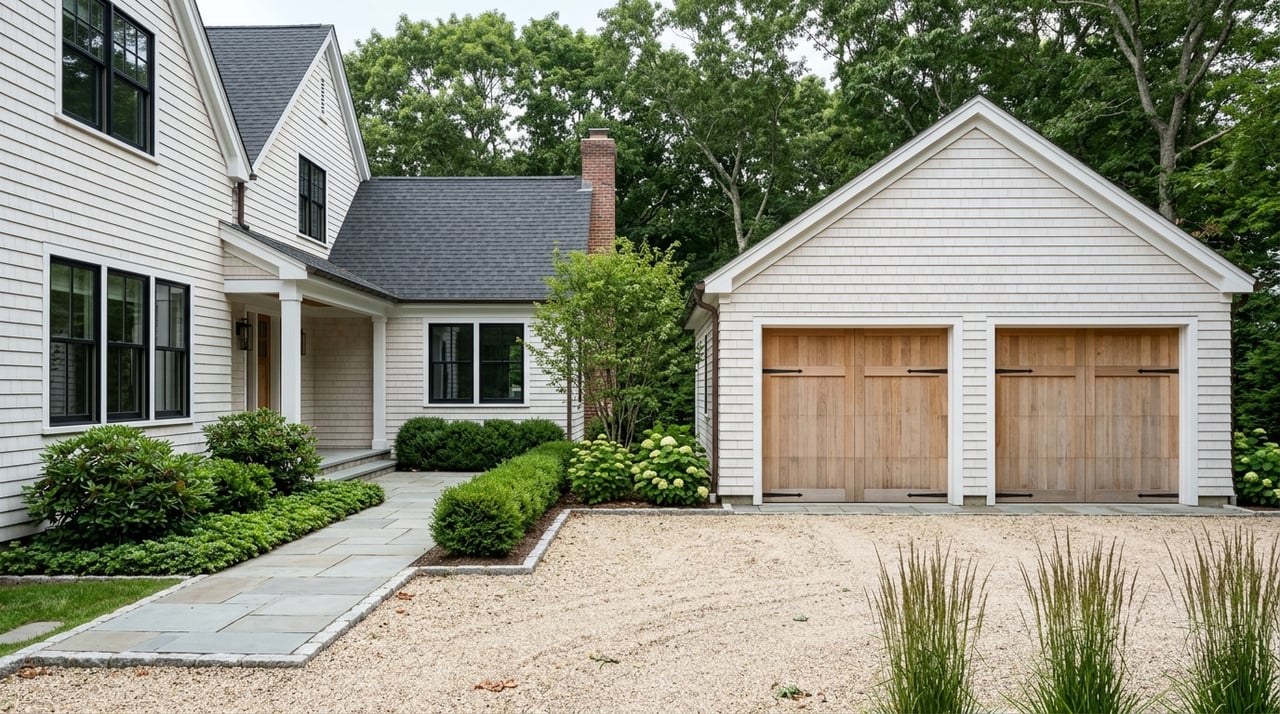
Trying to choose between Cos Cob and Riverside? If you are moving within Greenwich or relocating to 06807, the right fit often comes down to how you want your days to feel. One neighborhood offers a more mixed, connected, errands-friendly rhythm, while the other leans quieter and more consistently residential. This guide will help you compare housing, outdoor space, shopping patterns, and commuting so you can narrow in on the lifestyle that suits you best. Let’s dive in.
Cos Cob vs. Riverside at a glance
If you want a quick takeaway, Cos Cob tends to fit buyers who want variety and convenience, while Riverside tends to fit buyers who prefer a quieter residential setting.
Cos Cob is shaped by strong road connections, a more active local business core, and a broader mix of housing types. Riverside has a more low-density residential character, with localized services along Route 1 and a calmer day-to-day feel.
Neither is universally “better.” The better choice is the one that matches how you live, commute, and spend your free time.
Cos Cob lifestyle feel
Cos Cob has a more mixed-use identity than Riverside. According to the town’s Cos Cob Neighborhood Plan, the area is known for strong vehicular connections through Route 1 and I-95, and The Hub functions as the neighborhood’s business center.
That practical setup can make everyday life feel efficient. In the southern part of Cos Cob, the town notes that retail, office uses, the library, and the post office are within walking distance for many residents.
Cos Cob also carries a distinct arts-and-history presence. The neighborhood plan highlights Bush-Holley House, identified by the town as Greenwich’s only National Historic Landmark, which adds another layer to the area’s identity.
Who Cos Cob may suit best
Cos Cob may be a strong fit if you want:
- A busier neighborhood core
- Easier access to major roads
- More housing variety
- A broader mix of parks and outdoor options
- Everyday errands clustered around a local commercial area
Riverside lifestyle feel
Riverside reads as more consistently residential. The Eastern Greenwich Neighborhood Plan says Riverside and North Mianus do not have one single center in the way some other Greenwich areas do, though they still have a strong sense of identity and localized commercial services.
The same plan notes that residential zoning in eastern Greenwich is mainly single-family, with the lower-density waterfront areas concentrated in Riverside and Old Greenwich. In practical terms, that often translates into a calmer streetscape and a more residential daily rhythm.
If your ideal neighborhood feels more like a home base than a commercial hub, Riverside may appeal to you. You still have convenience nearby, but the neighborhood experience is generally less centered on one active business district.
Who Riverside may suit best
Riverside may be a strong fit if you want:
- A more consistently residential environment
- Lower-density neighborhood character
- A quieter day-to-day pace
- Rail access without a busier local core
- A neighborhood feel shaped more by homes than by mixed-use activity
Housing styles and property patterns
One of the clearest differences between these two neighborhoods is housing variety.
Cos Cob homes offer more variety
The town says the northern half of Cos Cob is almost entirely low-density single-family homes on lots greater than one acre. Closer to Route 1, the housing mix becomes more varied, with single-family, multifamily, and condominium uses.
The Cos Cob plan also states that the average single-family parcel size is about 0.7 acre. That mix can create more range in setting, lot size, and housing type depending on where in the neighborhood you focus your search.
For buyers, that can mean more flexibility. If you want options that range from larger-lot single-family living to a more connected location near shops and services, Cos Cob may offer more paths.
Riverside homes feel more uniform
Riverside is described in the Eastern Greenwich plan as more consistently single-family. The plan points to Havemeyer Park as a neighborhood developed from 1945 to 1955 with tree-lined, curvilinear streets, and notes that traditional Cape Cod and ranch homes there have increasingly been replaced by larger dwellings.
That pattern suggests a more uniform residential backdrop, with a mix of older housing stock and ongoing updates, rebuilds, or expansions in some areas. If you are drawn to neighborhoods with a steadier single-family feel, Riverside may align more naturally with your preferences.
Parks and outdoor routines
Outdoor space often shapes how a neighborhood feels in everyday life. Here, Cos Cob and Riverside offer different rhythms.
Cos Cob has a broader park network
Cos Cob stands out for the number and variety of town facilities nearby. Cos Cob Park on the harbor includes athletic fields, a playground, a walking track, a gazebo, and theater seating.
The town also lists Bible Street Park with courts and a community center, Montgomery Pinetum Park with a 1.9-mile loop and the Greenwich Botanical Center, Pomerance/Tuchman Park, Mianus River & Natural Park with 109.7 acres in the Mianus and upper Cos Cob area, Loughlin Avenue Park, and Sachem Nature Preserve.
That spread gives Cos Cob a more active, multi-park routine. Whether you want a harbor setting, a walking loop, athletic space, or nature access, the neighborhood offers several distinct options.
Cos Cob Marina adds to that harbor-oriented character. The town lists approximately 175 slips there, which reinforces the neighborhood’s connection to the water.
Riverside offers a quieter outdoor rhythm
Riverside’s signature town open space in this comparison is Schongalla Nature Preserve. The town identifies it as a Riverside preserve with a lake and walking and hiking trails.
Combined with Riverside’s lower-density waterfront character described in the neighborhood plan, the outdoor feel here comes across as quieter and more residential. Rather than a dense cluster of different park experiences, Riverside’s appeal is more about a calm neighborhood setting with access to preserved natural space.
Shopping, dining, and daily errands
Your daily convenience can look different in each neighborhood, especially if you like to keep errands close to home.
Cos Cob is more errands-friendly
Cos Cob’s convenience corridor is centered on Route 1 and River Road. The Cos Cob Neighborhood Plan says that intersection contains a retail cluster, and the neighborhood’s business center is divided by Route 1.
The town’s business page also groups Cos Cob among Greenwich’s major shopping areas. That supports the idea that Cos Cob functions as more than a residential district. It is also a place where everyday needs are more concentrated.
If you like the idea of combining grocery stops, quick errands, services, and neighborhood activity in one general area, Cos Cob likely has the stronger edge.
Riverside is more dispersed
Riverside’s shopping pattern is more spread out. The Eastern Greenwich plan says much of Route 1 between Riverside Avenue and Ferris Drive/Old Kings Highway is zoned Local Business to provide retail, service, and community needs.
The plan also points to a business district along Route 1 at Riverside Avenue. That means convenience is still part of the Riverside experience, but it feels more corridor-based than village-like.
For some buyers, that is exactly the appeal. You get access to useful services without the same degree of local commercial concentration.
Commute and train access
For many Greenwich buyers, train access is a major factor. Both neighborhoods have Metro-North stations and commuter parking, but there are a few practical differences.
Cos Cob station details
The Cos Cob station page says the platform is ramp-accessible, but there is no accessible path between platforms. The CTDOT station report lists 567 commuter parking spaces at Cos Cob.
That larger parking count may matter if station parking is part of your routine. Greenwich’s parking page also says weekend and holiday parking is free at the Cos Cob, Old Greenwich, and Riverside railroad lots.
Riverside station details
The Riverside station report lists 324 parking spaces across three lots. Like Cos Cob, Riverside gives you rail access for commuting and regional travel, but the station setup is not identical.
If you are comparing the two primarily through a commuter lens, it helps to think beyond train access alone. Parking count, drive approach, and how each station fits into your larger weekly routine can all shape which option feels easier.
How to decide which neighborhood fits you
If you are choosing between Cos Cob and Riverside, start with your real daily habits instead of a generic checklist. Think about where you want convenience, where you want quiet, and what kind of housing environment feels most comfortable.
Cos Cob may be the stronger fit if you want a mixed neighborhood with stronger road access, more varied housing, a denser park network, and a more active errands corridor. Riverside may be the stronger fit if you want a more consistently single-family setting, lower-density character, and a quieter residential pace with rail access still available.
The best way to decide is to compare not just listings, but lifestyle patterns block by block and street by street. That kind of neighborhood-level insight can make your search faster, clearer, and more confident.
If you are weighing Cos Cob against Riverside, working with a local expert can help you focus on the details that matter most to your move. For personalized guidance grounded in decades of Greenwich neighborhood knowledge, connect with The Greenwich Lifestyle Team.
FAQs
What is the main lifestyle difference between Cos Cob and Riverside in Greenwich?
- Cos Cob generally offers a more mixed-use, route-connected, errands-friendly setting, while Riverside is generally more consistently residential and lower density.
What types of homes can you expect in Cos Cob?
- Cos Cob includes a broader housing mix, with low-density single-family homes in the northern half and more mixed single-family, multifamily, and condominium uses closer to Route 1.
What types of homes can you expect in Riverside?
- Riverside is more consistently single-family, with some areas that include older Cape Cod and ranch homes alongside larger replacement homes or expansions.
Which neighborhood has more parks and outdoor options, Cos Cob or Riverside?
- Cos Cob has the broader park network in this comparison, including Cos Cob Park, Bible Street Park, Montgomery Pinetum Park, Pomerance/Tuchman Park, Mianus River & Natural Park, Loughlin Avenue Park, and Sachem Nature Preserve.
Is Riverside quieter than Cos Cob for daily living?
- Based on the town’s neighborhood plan, Riverside has a lower-density, more residential character that often feels quieter than Cos Cob’s busier mixed-use pattern.
How do Cos Cob and Riverside compare for commuting by train?
- Both neighborhoods have Metro-North access and commuter parking, but Cos Cob has 567 parking spaces listed in the CTDOT station report, while Riverside has 324 spaces across three lots.
Which neighborhood is better for errands, Cos Cob or Riverside?
- Cos Cob generally has a more concentrated retail and service pattern around Route 1 and River Road, while Riverside’s convenience is more dispersed along the Route 1 corridor.
How should you choose between Cos Cob and Riverside when buying a home?
- Focus on your preferred daily rhythm, housing style, park access, errand patterns, and commute needs, then compare specific areas within each neighborhood to see which feels like the better fit.