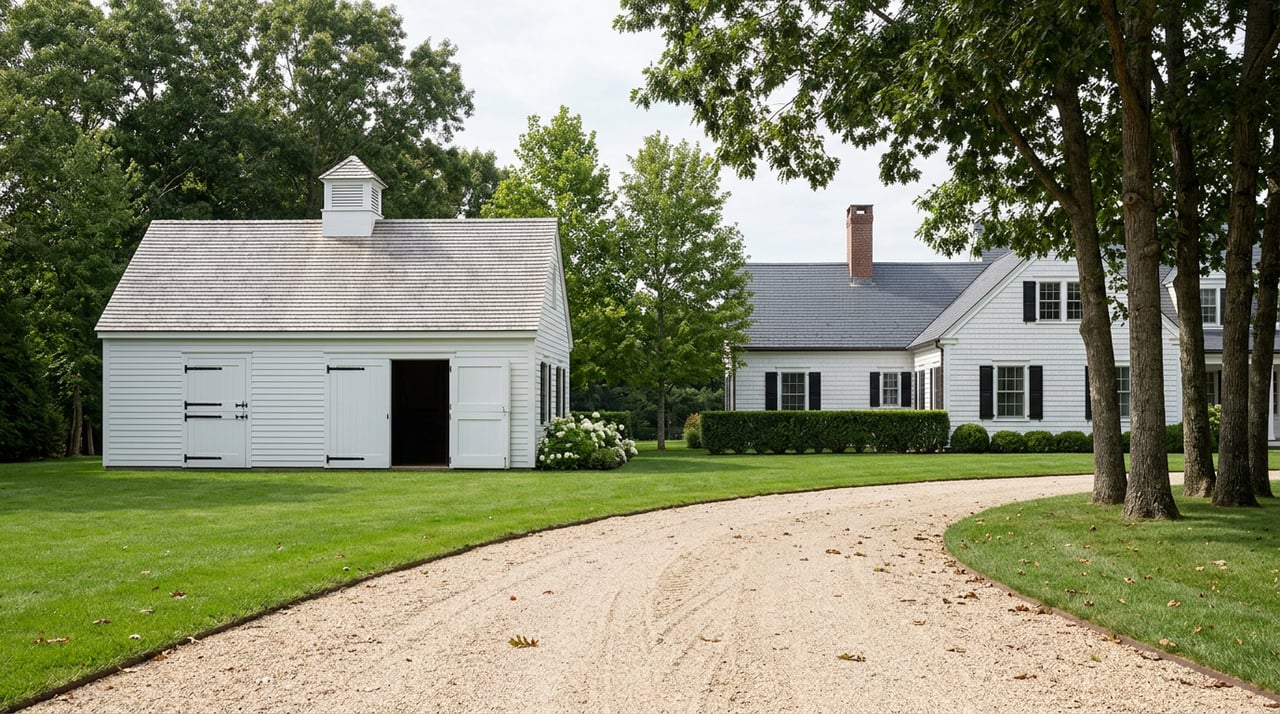
Picture yourself riding out from your own barn, morning light on open paddocks, and nothing but quiet country roads ahead. If you are drawn to more land, privacy, and room for horses, Back Country Greenwich delivers a rare mix of space and convenience. Still, buying acreage here calls for smart planning. In this guide, you will learn where Back Country is, how local zoning shapes what you can build, what features to look for on equestrian properties, how the market behaves, and the key due diligence steps to take before you buy. Let’s dive in.
Why Back Country Greenwich
Back Country is the northern third of Greenwich, generally north of the Merritt Parkway and bordering New York State to the west and north with Stamford to the east. It reads more rural than the shoreline neighborhoods and is known for larger parcels, private drives, and estate amenities. Much of the area sits in the Town’s RA-4 large-lot residential zoning, which guides what you can build and how you can use the land. You can confirm the rules in the Town’s published Building Zone Regulations.
One rule you should know early is the Town’s Green Area Requirement. In RA-4, the Town’s table lists an 84 percent green-area requirement, which limits total coverage and helps keep large parcels open. That percentage matters when you plan barns, arenas, new driveways, or guest structures. Review the Town’s Approximate Green Area dataset and confirm specifics with Planning & Zoning for your exact lot.
Larger lots and enclaves
The typical pattern in Back Country is large parcels that meet or reflect 4-acre RA-4 standards. Some older lots are smaller because they predate current zoning. Select enclaves were developed with even larger minimums. Conyers Farm, for example, was assembled with 10-plus acre parcels and includes association rules and security. If you want maximum privacy and room for equestrian amenities, these areas offer scale that is hard to find closer to town.
Utilities and site setup
Many Back Country homes rely on private wells and on-site septic systems rather than municipal water and sewer. You will also see long, private drives, underground utilities, and gated entries. Plan for routine upkeep such as driveway plowing, fencing maintenance, and landscape care. These are normal parts of country living and smart to budget for in advance.
Equestrian lifestyle and where to ride
Back Country has an authentic riding culture. The Greenwich Polo Club, set near the upper North Street area, anchors a summer social scene with public Sunday matches and high-goal polo. If you want a taste of that energy, see the Greenwich Polo Club event overview.
For day-to-day trail access, the Greenwich Riding & Trails Association (GRTA) is a local resource. GRTA supports a long-standing network of bridle trails and organizes community rides such as hunter paces. If you plan to ride off your property, connect with GRTA for trail etiquette and access guidance. Explore their events and trail resources.
Competition riders often cross the New York line for top training centers and shows. Old Salem Farm in North Salem, NY, and other regional venues are part of many riders’ calendars. If that is your world, map out your trainers, farriers, and vets, and check haul times to the facilities you plan to use. For a regional context on prominent barns and events, review this regional barn tour resource.
What to look for on equestrian parcels
Back Country equestrian and estate properties commonly include features such as multi-stall barns, tack and feed rooms, fenced paddocks, turnout fields, and outdoor arenas. Indoor riding rings appear on select offerings and are prized for year-round training. You may also see guest houses, separate garages with staff apartments, pools, tennis courts, and long, gated drives.
To visualize what a turnkey setup can include, local press has profiled equestrian properties with combinations like an indoor ring, 8-stall barn, and outdoor arena. See one representative example covered by the Greenwich Time.
How the market behaves for acreage
Greenwich is a resilient luxury market, and Back Country is a distinct segment within it. Published market reports for Greenwich showed a median sold price of about 4.5 million dollars and roughly 83 days on market in January 2026 for single-family homes. While numbers change each quarter, the big picture is steady luxury activity north of the Parkway.
Demand for privacy, space, and lifestyle amenities remains a theme. Regional reporting highlights Greenwich as one of the area’s more competitive luxury markets, with continued interest in larger-lot living. For context on resilience and buyer demand, see this market summary from Mann Publications.
Within the acreage and equestrian niche, supply is limited. When a well-prepared, compliant, and truly turnkey property comes on, it can command a premium. Homes that need major capital work, such as a full barn rehab, septic upgrades, or environmental mitigation, often sit longer and trade at a discount to reflect future investment. At the very top of the market, it is also common to see private or off-market sales, especially for high-profile estates. A connected local agent can surface these quiet opportunities.
Due diligence for Back Country acreage
Buying land and equestrian properties is different from buying an in-town home. Use this buyer-facing checklist to move efficiently and avoid surprises.
Zoning and permitted uses
- Confirm the parcel’s zoning classification and permitted uses early. In Back Country you will often see RA-4. Review the Town’s Building Zone Regulations and request a zoning verification letter from Zoning Enforcement. If you plan to add horses or expand facilities, ask about any prior approvals on file.
- Pull the Town zoning map and parcel layers through the GIS office. Look for zone lines, any mapped wetlands, watercourses, and public easements.
- Understand the Town’s Green Area Requirement and lot coverage limits. In RA-4, the Town’s table lists 84 percent. Review the Approximate Green Area dataset and confirm how it applies to your plan.
Survey, title, and site constraints
- Request a recent, P&Z-acceptable survey that shows building footprints, setbacks, easements, fences, and all improvements. The Town relies on Class A-2 or zoning location surveys to verify green-area compliance when relevant. See the standards in the Building Zone Regulations.
- Obtain a full title report and deed history. Many large parcels have conservation or watershed restrictions. Some gated enclaves also have association covenants that guide design and improvements.
- Check for regulated wetlands and upland review areas. The Inland Wetlands Agency regulates activity near watercourses and wetlands, which can shape where you place paddocks, arenas, and driveways. Review the Town’s Inland Wetlands and Watercourses Regulations and ask about permits.
Horse-related rules and approvals
- Keeping a small number of horses is generally treated as a customary accessory use in residential zones, subject to spacing and lot criteria. Larger operations, such as commercial boarding, riding instruction, or many horses on one property, may require site plan or special permit review. Confirm allowances and thresholds in the Building Zone Regulations and discuss with Planning & Zoning.
- If you plan an indoor arena, a large barn, or new equestrian infrastructure, schedule a pre-application conversation with Town staff. This helps flag wetlands, coverage, or circulation issues before you commit to a design.
Water, septic, and capacity
- Ask for well documentation, including recent pump test results that show gallons per minute and water quality tests for bacteria and nitrates. If you plan to support staff housing or multiple horses, confirm production capacity.
- Request septic system records that show design and the approved bedroom count, plus pumping and maintenance history. A recent inspection or flow test can add confidence. Verify that stated capacity aligns with your bedroom plan and potential staff housing.
Operations and safety
- Walk the property with an eye toward daily function. Check fencing, gate placement, and safe circulation for trucks and trailers. Confirm that emergency access for vets or ambulances is straightforward.
- Review drainage patterns and any ponds or swales. Identify where runoff flows during heavy rain and how that may affect paddocks and arena footing. Plan for manure storage and removal or composting that fits the site and local practices.
- Factor real operating costs into your budget: driveway plowing and resurfacing, fence repair, hay and feed delivery logistics, routine barn maintenance, and staff.
Insurance and risk
- Consult an insurance broker with equine experience. Ask about farm and equine liability coverage, barn and outbuilding coverage, fire safety requirements, and premiums based on your intended use.
Local contacts you will use
- Planning & Zoning Commission for applications and interpretations: Town P&Z
- Zoning Enforcement for verification letters and counter guidance: Zoning Enforcement
- Inland Wetlands & Watercourses Agency for delineations and permits: Inland Wetlands Regulations
- GIS and Assessor for parcel maps and layers: Town GIS
- Greenwich Riding & Trails Association for trail routing and community riding norms: GRTA
Budget and plan ahead
Even if the home and barn look turnkey, spend time on your operating plan. Winter road care, equipment storage, and feed delivery all affect daily life. If you want to add an indoor ring or expand paddocks, sketch a phased plan that respects setbacks, green-area limits, wetlands, and circulation. A brief pre-application meeting with Planning & Zoning and a call with the Inland Wetlands office can save months later.
If you are considering a gated enclave or a parcel with recorded covenants, ask for architectural and landscape guidelines before you close. Association rules can shape fencing style, lighting, and even the look of outbuildings.
How we help you buy with confidence
Buying acreage in Back Country is part vision and part verification. You set the lifestyle goals. We guide the process. With 39 years of Greenwich-focused experience, a deep network across Back Country, and a marketing-led, concierge approach, we help you:
- Quietly surface on- and off-market opportunities that match your land and equestrian goals.
- Coordinate early diligence with Town departments so you know what you can build before you commit.
- Connect with local surveyors, engineers, barn builders, trainers, farriers, and insurance contacts.
- Negotiate strategically based on site realities, capital needs, and current market behavior.
If Back Country is on your shortlist, let’s talk through your wish list and make a clear plan. Schedule a Consultation with The Greenwich Lifestyle Team.
FAQs
What defines Back Country Greenwich for buyers?
- Back Country refers to the northern part of Greenwich, generally north of the Merritt Parkway, known for larger parcels and estate living shaped by RA-4 large-lot zoning.
How does RA-4 zoning affect my plans?
- RA-4 is a 4-acre residence zone. It sets setbacks, coverage, and accessory-use rules, and it is subject to the Town’s Green Area Requirement. Review the Town’s Building Zone Regulations and confirm parcel specifics with Planning & Zoning.
What is the Green Area Requirement in RA-4?
- The Town’s table lists an 84 percent green-area requirement in RA-4, which limits build and impervious coverage. This directly affects siting for barns, arenas, drives, and other improvements.
Are wells and septic systems common in Back Country?
- Yes. Many properties use private wells and on-site septic systems. Request well yield and water-quality records and septic design and maintenance documentation early in due diligence.
Where can I ride off my property in Greenwich?
- The Greenwich Riding & Trails Association supports a network of bridle trails and hosts riding events. Connect with GRTA for trail access information and local riding customs.
How competitive is the Back Country market right now?
- Greenwich’s luxury market is resilient with active demand for privacy and space. Turnkey equestrian properties are limited in supply and can command premiums, while homes with major capital needs often take longer to sell.
Do I need special permits to keep horses?
- Keeping a small number of horses is typically an accessory use in residential zones. Larger operations, instruction, or commercial boarding can trigger site plan or special permit review. Confirm thresholds and process with Planning & Zoning and Zoning Enforcement.