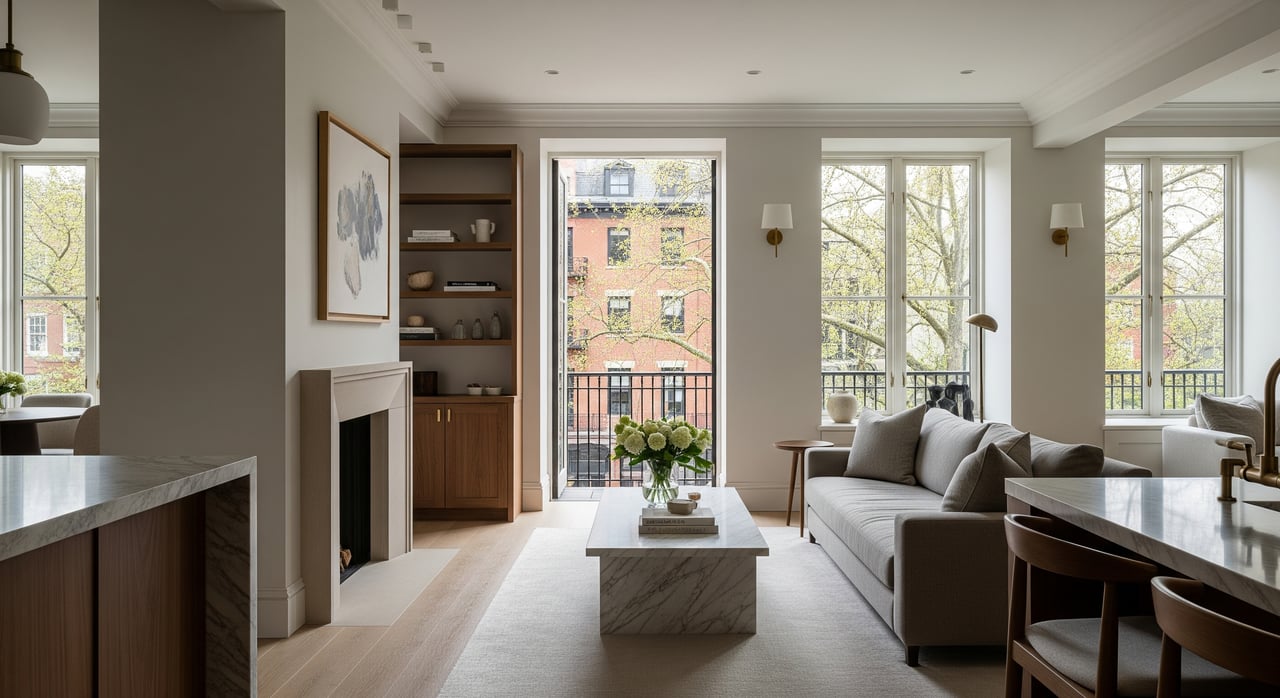
Shopping for a condo in downtown Greenwich can feel exciting and overwhelming at the same time. You want a walkable, low‑maintenance home base that fits your lifestyle and budget, without surprises after closing. This guide breaks down the essentials you need to compare buildings with confidence, from HOA fees and amenities to pet and rental rules, building risks, and financing steps. Let’s dive in.
Why in‑town Greenwich works for you
If you value walkability, in‑town Greenwich delivers. You can be close to Greenwich Avenue dining and shopping, nearby parks, and the Metro‑North station for easy access to the city or nearby towns. Downsizers appreciate single‑level layouts, elevators, and reliable building maintenance. Pied‑à‑terre owners often prioritize secure entry, concierge or on‑site management, and simple lock‑and‑leave living.
You’ll find a mix of building types in town: historic conversions, mid‑century garden and low‑rise buildings, and newer luxury mid or high‑rises. Each comes with different service levels, amenities, and monthly costs. Your goal is to match building style and services with how you plan to live in the space.
Understand HOA fees in Greenwich
HOA fees vary by building, so review coverage line by line. Common inclusions:
- Common‑area maintenance and repairs
- Building insurance for common elements and the building shell
- Utilities for common areas and sometimes for units, such as water, sewer, and trash
- Heat and hot water in some older or full‑service buildings
- Snow and trash removal, pest control, elevator maintenance
- Management fees for on‑site staff or a management company
- Security or concierge staffing and lobby operations
- Reserve fund contributions for capital repairs and replacements
- Amenity upkeep, such as a gym, roof deck, or resident lounge
- Parking or garage maintenance and lighting
How fees vary by building
- Low‑service garden or small associations: lower fees and fewer amenities. Owners may pay most utilities directly.
- Mid‑service mid‑rises: moderate fees and a basic amenity set.
- Full‑service or luxury buildings: higher fees due to concierge, security, and broader utility coverage.
Always compare total carrying costs, not just the HOA line. That means HOA fee plus property taxes, mortgage, and any utilities not included.
Reserves and assessments
Healthy reserves are a key sign of financial stability. Look for a current reserve study and consistent funding over time. Associations may levy special assessments for big projects like roof, facade, elevator, or waterproofing work. Review assessment history and board minutes for planned projects.
Documents to request include the current budget, latest financial statements, reserve study and balance, board meeting minutes, and the master insurance certificate. Confirm what the master policy covers versus what you must cover inside your unit.
Policies that shape daily life
Amenities to prioritize
Amenities can elevate daily living but also raise HOA fees. For in‑town buyers, useful features often include secure entry, elevator access, convenient on‑site parking, concierge or on‑site management, and package handling. Decide what you will actually use so you do not overpay for services that add little value to your lifestyle.
Pet rules to confirm
Pet policies live in the bylaws or house rules. Confirm allowed species, number of pets, weight limits, breed restrictions, and whether board approval is required. Ask about deposits, designated pet areas, and any pending changes. Service animals and emotional support animals have protections under federal law and cannot be unreasonably restricted. Boards may request documentation as permitted by law.
Rental rules and pied‑à‑terre use
Review minimum lease terms and any short‑term rental restrictions. Many associations set minimums such as 30, 60, or 90 days and may ban nightly rentals. Check owner‑occupancy requirements, rental caps, subleasing rules, and whether board approval is required. High investor concentration can affect lending options and future resale, so confirm the current percentage of rentals and whether there is a waitlist.
Building and site checks in downtown Greenwich
Construction, age, and capital projects
Construction type influences maintenance, insurance, and sound transmission. Older buildings can have character but may need more frequent updates to roofs, windows, HVAC, electrical, or plumbing. Ask what major projects were completed and what is planned.
Elevators, access, and storage
If elevator access is important, confirm capacity, maintenance schedules, and whether replacements are planned. Storage matters for downsizers. Ask about dedicated storage rooms, fees for extra storage, and bike storage options. Make sure hallway and stair layouts fit your accessibility and furniture needs.
Parking and transportation
Understand whether parking is deeded, assigned, or first‑come. Ask about the cost of extra spaces and guest parking rules. Walkability to the Metro‑North Greenwich station, groceries, pharmacies, restaurants, and parks is a core benefit in town. Visit at different times to get a feel for traffic flow, pedestrian safety, and noise levels around your preferred blocks.
Flood, coastal, and life‑safety
Some in‑town areas near the coast may fall within FEMA flood zones. If so, your lender could require flood insurance. Verify elevation, past flood history, insurance costs, and any flood‑mitigation upgrades. Also check for sprinkler systems, smoke detectors, and elevator and life‑safety inspection records.
Governance and litigation
Strong board governance matters. Look for consistent records, stable leadership, and clear communication. Ask about any ongoing or anticipated litigation. Frequent turnover, incomplete records, or unresolved claims are red flags that can affect costs and financing.
Financing your condo
How lenders underwrite condos
Lenders review both the unit and the project. Expect a condo questionnaire that covers financial health, reserves, occupancy mix, and any litigation. Conventional, FHA, and VA loans have different project standards. Lower owner‑occupancy, limited reserves, delinquencies, or special assessments can trigger tighter underwriting or higher down payment needs.
Appraisal considerations
Appraisers look first to comparable sales in the same building or similar buildings. Boutique or smaller properties can have fewer comps, which may make valuation more nuanced. Features such as dedicated parking, elevator access, or flood exposure can influence value.
Steps to work with lenders
- Choose a lender who understands Fairfield County condo underwriting.
- Share HOA documents early so the condo questionnaire and project review do not slow you down.
- If you need FHA or VA financing, verify project approval status at the start. Single‑unit approvals may be possible but can take time.
- Prepare to provide the budget, reserve study, insurance details, and occupancy data.
Due‑diligence checklist
Documents to request
- Condo declaration, bylaws, and rules and regulations
- Current budget, reserve study, and financial statements
- Board meeting minutes for the last 12 to 24 months
- Master insurance certificate and owner vs. master coverage summary
- List of current or recent special assessments and status
- Owner list and number or percentage of rentals, if available
- Building inspection reports and capital improvement plans
- Details on any pending litigation
Questions to ask the HOA or manager
- What exactly is included in the monthly HOA fee?
- What is the current reserve fund balance and funding level relative to recommendations?
- Have there been special assessments in the last 5 years? Are any planned?
- What percentage of units are owner‑occupied versus rented?
- What are the pet rules and any pending changes?
- What are the rental policies and minimum lease terms? Are short‑term rentals allowed?
- Are there any litigation matters now or anticipated?
- Are parking spaces deeded or assigned? What about guest parking?
- When were the roof, elevator, plumbing, and electrical systems last updated?
- Have there been recent insurance claims and did premiums change?
Practical buyer timeline
- Pre‑offer: Tour the building, confirm walkability, ask high‑level questions on pets, rentals, parking, and elevator access.
- Offer and due diligence: Review financials, reserves, insurance, and minutes. Order a building inspection and flood search. Begin the condo questionnaire with your lender.
- Under contract: Finalize lender project approval, appraisal, and inspection negotiations. Confirm assessments or planned projects.
- Closing: Transfer HOA information, collect keys and parking tags, and set up utility accounts.
Smart strategies to reduce risk
- Use contingencies for association documents, financing, and inspections.
- Ask the seller to provide or authorize access to all HOA financials and recent minutes.
- If an assessment is anticipated, discuss escrow or a seller contribution at closing.
- For pied‑à‑terre use or guest stays, get written confirmation from the HOA that your intended use complies with current rules.
Next steps
Choosing the right in‑town Greenwich condo is about clarity. When you understand what fees cover, how policies affect daily life, and how lenders view each project, you can compare options with confidence. If you want a local, high‑touch partner to guide you through the process, connect with The Greenwich Lifestyle Team to plan your next move.
FAQs
What do HOA fees typically cover in in‑town Greenwich condos?
- Fees often include common‑area upkeep, master insurance, some utilities, management, reserve contributions, and amenity maintenance. Always verify line‑by‑line inclusions.
How do rental caps affect condo financing in Greenwich?
- High rental concentrations can limit loan options or require stricter terms. Lenders review occupancy levels during the condo questionnaire and project approval.
Are pets usually allowed in downtown Greenwich buildings?
- Many associations allow pets with rules on species, number, and size. Review bylaws and house rules and confirm any deposits, approval steps, or pending changes.
Do I need flood insurance for an in‑town Greenwich condo?
- It depends on the building’s location and flood zone. Some lower‑lying areas may require it. Confirm elevation, flood history, and insurance needs during due diligence.
Which documents should I review before buying a Greenwich condo?
- Request the declaration, bylaws, rules, budget, reserve study, financials, insurance certificate, meeting minutes, assessment history, inspection reports, and any litigation updates.
What should I know about parking for downtown Greenwich condos?
- Confirm whether spaces are deeded or assigned, rules for guest parking, and any fees for extra spaces. Parking terms vary by building.