Do you love the charm of Cos Cob but feel unsure which home style fits your life and budget? You’re not alone. Between historic gems and sleek new builds, it can be hard to tell what each style means for upkeep, pricing, and resale. This guide breaks down the most common Cos Cob architectural styles so you can shop with confidence and prepare smartly for inspections, approvals, and coastal considerations. Let’s dive in.
Cos Cob at a glance
Cos Cob sits along the Mianus River and Long Island Sound within the town of Greenwich, ZIP 06807. The area blends residential streets with a village center near the Metro-North New Haven Line station. Parts of Cos Cob fall within recognized historic areas, where exterior changes may require review by local historic authorities.
Cos Cob’s coastal setting adds benefits and responsibilities. Water views and proximity to the train often increase buyer demand. At the same time, salt air, storms, and potential flood zones can influence maintenance and insurance.
Shingle Style: character and care
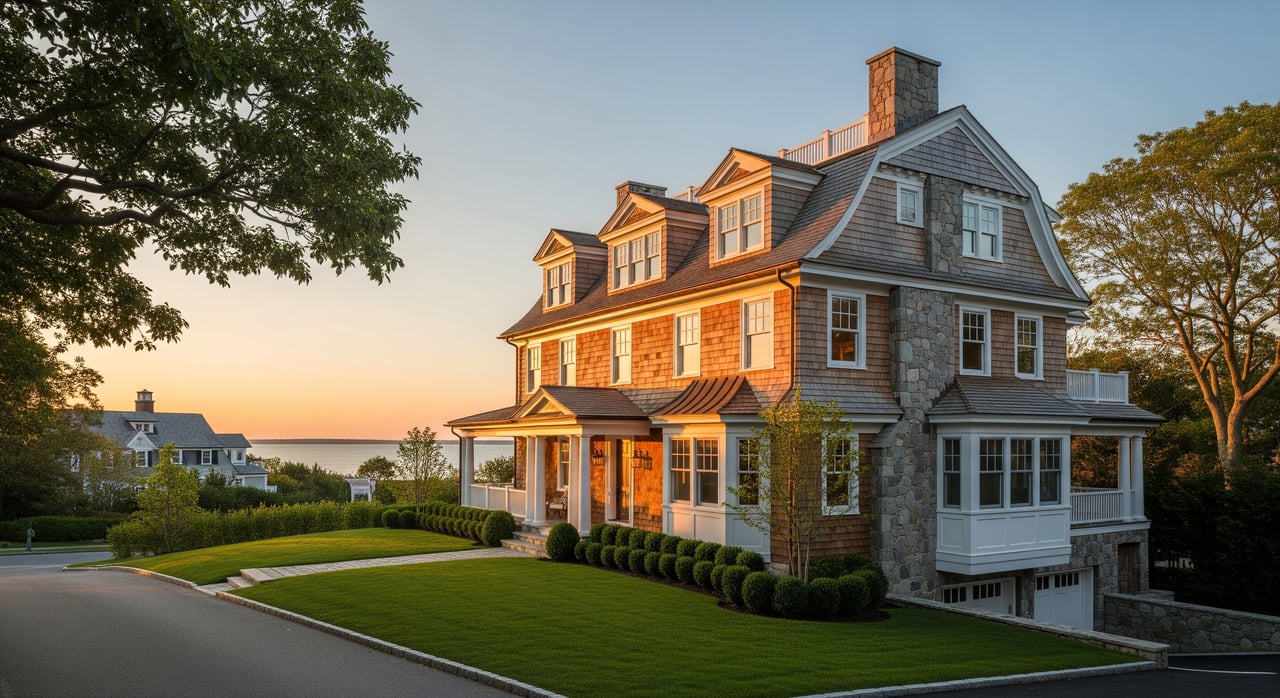
Shingle Style homes, popular from about 1880 to 1910, are common across Northeastern coastal towns. In Cos Cob, you’ll recognize them by continuous wood-shingle siding, asymmetrical forms, complex or gambrel roofs, broad porches, and substantial woodwork inside.
Expect cyclical exterior maintenance. Cedar shingles need periodic repair and re-finishing, especially with coastal weathering. Older windows may be single-pane and drafty. Many original homes also require upgrades to insulation, electrical, and plumbing.
Buyer appeal is strong for those who value historic authenticity and seaside charm. Well-preserved Shingle homes in desirable locations, especially near water or the train, often command premiums. Restoring and modernizing while preserving character can cost more than replacing features in a typical house, so planning and budgeting matter.
Colonial and Colonial Revival: classic appeal
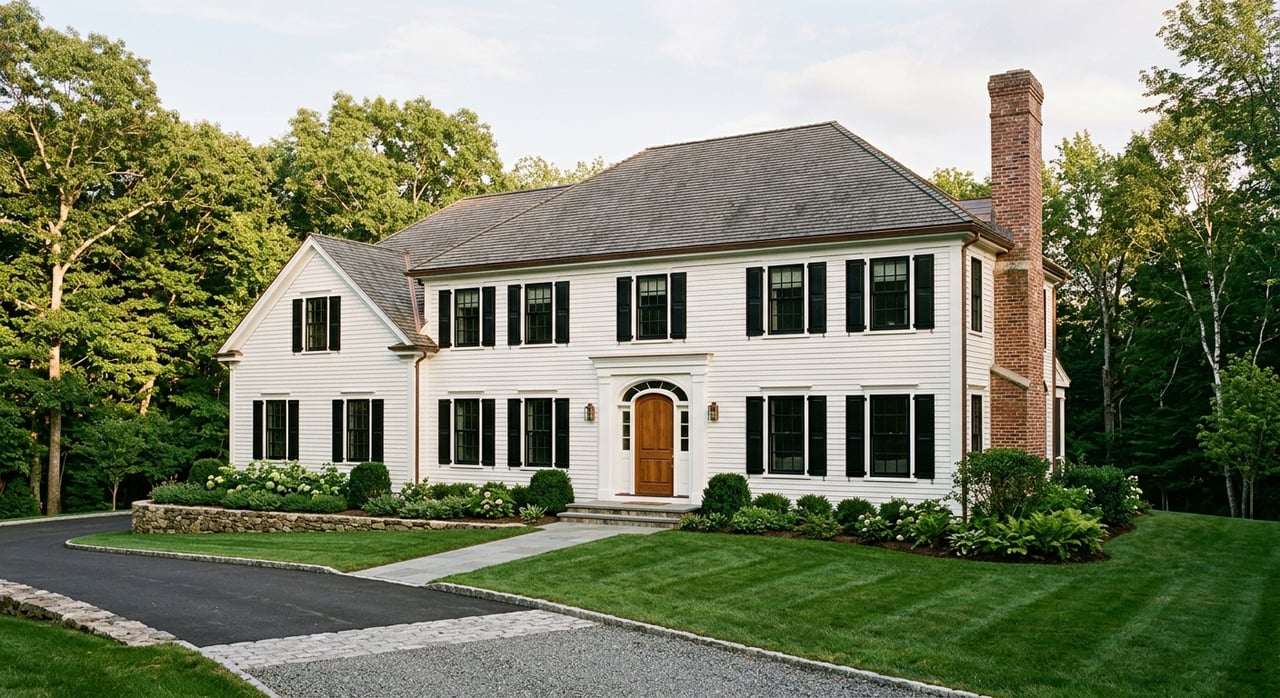
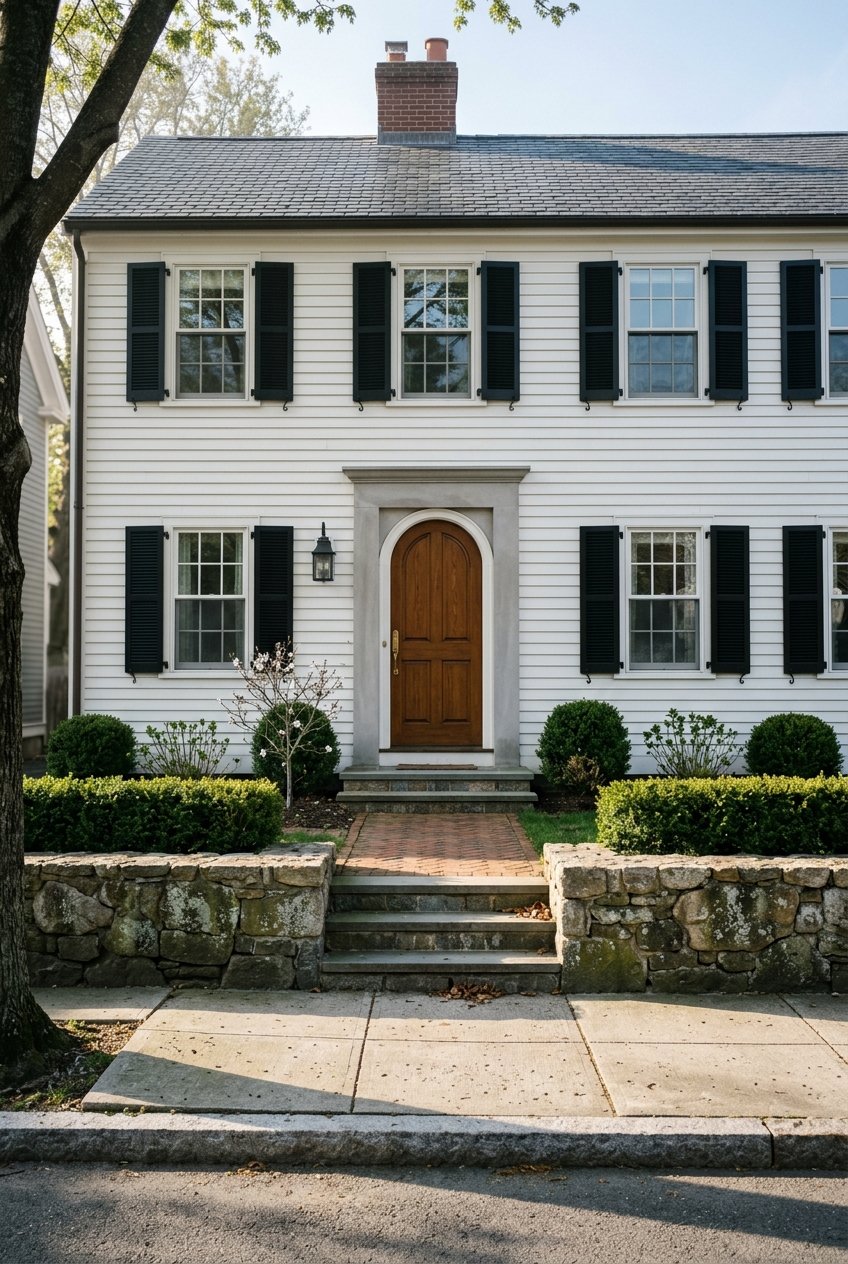
Colonial-era prototypes and Colonial Revival homes (roughly 1890 to 1950) are staples in Cos Cob. Look for symmetrical façades, multi-pane double-hung windows, a centered front door with classic trim, and clapboard or shingle siding. Inside, a center-hall plan with formal rooms is common.
Maintenance often centers on masonry chimneys, foundations, and older windows and doors that can be energy weak spots. Many have updated kitchens and baths, though some still carry older mechanical systems.
These homes have broad market appeal thanks to familiar layouts and timeless style. When updated thoughtfully, they tend to offer reliable resale potential.
Cape Cod: flexible and modest
Capes reflect classic New England design. You’ll see 1 to 1.5 stories, steep gables, a simple rectangular plan, and often a central chimney in older examples. Many Capes gain livable space through dormers or rear additions.
Key considerations include attic ventilation and insulation, as well as roof and dormer flashing. Because many Capes started small, past additions may vary in quality and permitting.
Buyers often choose Capes for manageable scale and expansion potential. Sensitive additions and dormers can significantly improve livability and value.
Modern and contemporary: open and updated
From mid-century ranches and moderns to recent custom builds, Cos Cob has a range of contemporary options. Expect open floor plans, larger windows, and updated systems like modern HVAC and insulation. Newer builds may blend traditional exteriors with modern interiors.
Maintenance is often lower at first, but certain features need attention. Flat or low-slope roofs, large window systems, and advanced energy systems call for specialized expertise.
These homes attract buyers who prioritize turnkey comfort and low near-term maintenance. On smaller coastal lots, new construction can command high premiums.
How style shapes price and upkeep
Pricing often reflects rarity, location, and modernization. Well-preserved Shingle or historic Colonial Revival homes with documented significance can draw higher offers. Waterfront views, a short walk to the Cos Cob station, and neighborhoods outside flood zones can magnify style-based premiums.
Exterior materials drive maintenance. Wood shingles and decorative trim require more frequent care than vinyl or fiber-cement cladding, especially with salt exposure. Energy upgrades may be needed in homes with older windows or limited insulation.
Plan a maintenance budget. A common rule of thumb is to set aside 1 to 4 percent of a home’s value each year for routine maintenance and repairs. Homes with coastal exposure or older systems may trend toward the higher end of that range.
Flood, historic, and coastal factors
Flood risk is a material consideration in Cos Cob’s coastal setting. Some properties may lie in FEMA-designated flood zones that influence insurance costs and potential mitigation work. If flood insurance is required, obtain an elevation certificate to refine premiums.
Historic-district rules may apply to certain properties and can affect exterior changes. Verify any historic designation and the review process with the Town of Greenwich’s historic and planning staff before you plan renovations.
For waterfront or near-shore properties, shoreline permitting and resiliency standards can shape timelines and costs. Always confirm current regulations and maps when evaluating a property.
Due diligence checklists
Prioritize these inspections for any Cos Cob home:
- Full-home inspection covering structure, roof, envelope, and foundation
- HVAC, electrical, and plumbing specialist evaluations
- Pest inspection for wood-destroying organisms
- Mold and moisture assessment, especially for basements and coastal homes
- Lead-based paint testing for pre-1978 homes and asbestos checks where suspected
- Flood elevation survey if flood insurance may be required
- Marine or bulkhead evaluation for waterfront structures
Style-specific focus areas:
- Shingle Style: siding condition, flashing at complex rooflines, porch foundations, and preservation covenants
- Colonial/Colonial Revival: chimney and masonry, window sash and frames, and evidence of unpermitted structural changes
- Cape Cod: attic insulation and ventilation, dormer and roof flashing, and foundation settlement in older low-profile homes
- Modern/new builds: flat or low-slope roof details, large window assembly sealing, and basement drainage systems
Documentation to request or prepare:
- Maintenance records for roof, HVAC, and septic
- Permits for renovations and additions
- Historic designation notices and any preservation-review materials
- Disclosures of known flood claims, storm damage, and easements
Matching style to your lifestyle
If you want historic character, consider Shingle or Colonial Revival homes and plan for preservation-minded updates. If you prefer classic layouts and strong resale appeal, an updated Colonial or expanded Cape can fit well. If open plans and lower near-term maintenance are your priority, modern or recently built homes are smart options.
Commuters often weigh style alongside proximity to the Cos Cob station and local amenities. Waterfront buyers may prioritize views and outdoor living, with added attention to flood, insurance, and maintenance planning.
Ready to explore Cos Cob?
Whether you are comparing Shingle charm with Colonial classics or weighing a modern build near the train, you deserve clear, local guidance. With deep Greenwich expertise and a concierge approach, we help you align style, location, due diligence, and budget so you can buy with confidence. Connect with The Greenwich Lifestyle Team to map your search and next steps.
FAQs
What home styles are most common in Cos Cob 06807?
- You will most often see Shingle Style, Colonial and Colonial Revival, Cape Cod, and a mix of modern or contemporary homes, with occasional Dutch Colonial, Tudor Revival, and mid-century ranches.
How does flood risk affect buying a Cos Cob home?
- Flood zones can impact insurance costs and may require mitigation; obtain an elevation certificate, review current FEMA maps, and budget for potential resiliency work.
What maintenance should I expect with a Shingle Style home?
- Plan for cyclical wood-shingle upkeep, attention to flashing on complex roofs, possible window retrofits, and system upgrades common to older structures.
Are Colonial Revival homes a good fit for traditional layouts?
- Yes; many buyers appreciate the center-hall plan and formal rooms, and homes updated in a way that respects the original scale tend to have broad resale appeal.
Can I expand a Cape Cod home in Cos Cob?
- Often yes; dormers and rear additions are common, but quality and proper permits matter, and roof and flashing details should be inspected carefully.
What approvals might I need in Cos Cob historic areas?
- Properties in recognized historic districts may require design review for exterior work; verify status and processes with the Town of Greenwich’s historic and planning staff.
Which inspections are most important for older Cos Cob homes?
- Along with a general home inspection, prioritize HVAC, electrical, plumbing, pest, mold, and, for pre-1978 homes, lead-based paint and potential asbestos checks, plus flood elevation surveys where relevant.